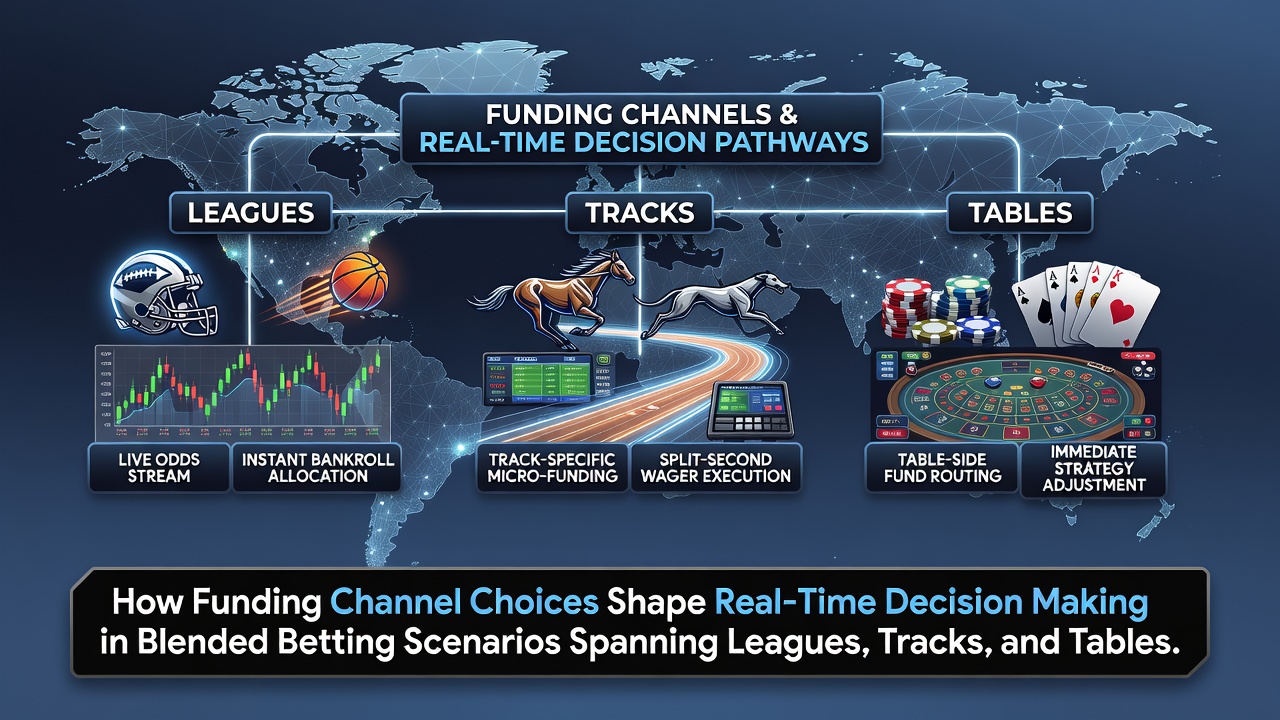
Payment Channel Dynamics Guiding Instant Wagers Across League, Track, and Table Markets
Funding channel selections determine how bettors allocate capital during overlapping events that span professional leagues, equine circuits, and gaming tables, particularly when multiple markets move simultaneously in November 2026. Data from regulatory reports show that processing speeds and fee structures associated with each channel directly affect the timing and size of individual wagers in these blended environments.
Channel Attributes and Market Responsiveness
Bank transfers typically require longer confirmation windows compared with digital wallets or prepaid cards, which leads participants to reserve slower methods for pre-event positions while reserving faster options for in-play adjustments. Observers note that when an NFL drive coincides with a horse race post time and a blackjack table minimum change, users who rely on instant-approval channels can shift stakes across those segments without delay. Figures released by the Canadian Centre on Substance Use and Addiction indicate that transaction latency correlates with reduced participation rates in multi-market sessions.
Prepaid cards and certain e-wallets impose daily limits that influence how much capital remains available once initial bets settle. Those limits become relevant during November schedules when NBA back-to-backs, late-season racing meets, and extended casino sessions overlap. Researchers tracking usage patterns report that users who monitor remaining balances across channels tend to pre-allocate portions of their total bankroll before the first event begins.
Real-Time Adjustments in Overlapping Calendars
Live odds on league props, track win pools, and table side bets update at different intervals, requiring bettors to decide which channel to draw from when one market moves favorably. Studies compiled by the European Gaming and Betting Association reveal that platforms offering unified wallet views across sportsbooks, racebooks, and casino interfaces record higher volumes of cross-market activity during condensed November weekends. The same reports show that separate funding silos slow response times because users must exit one interface and authenticate in another before placing a follow-up wager.
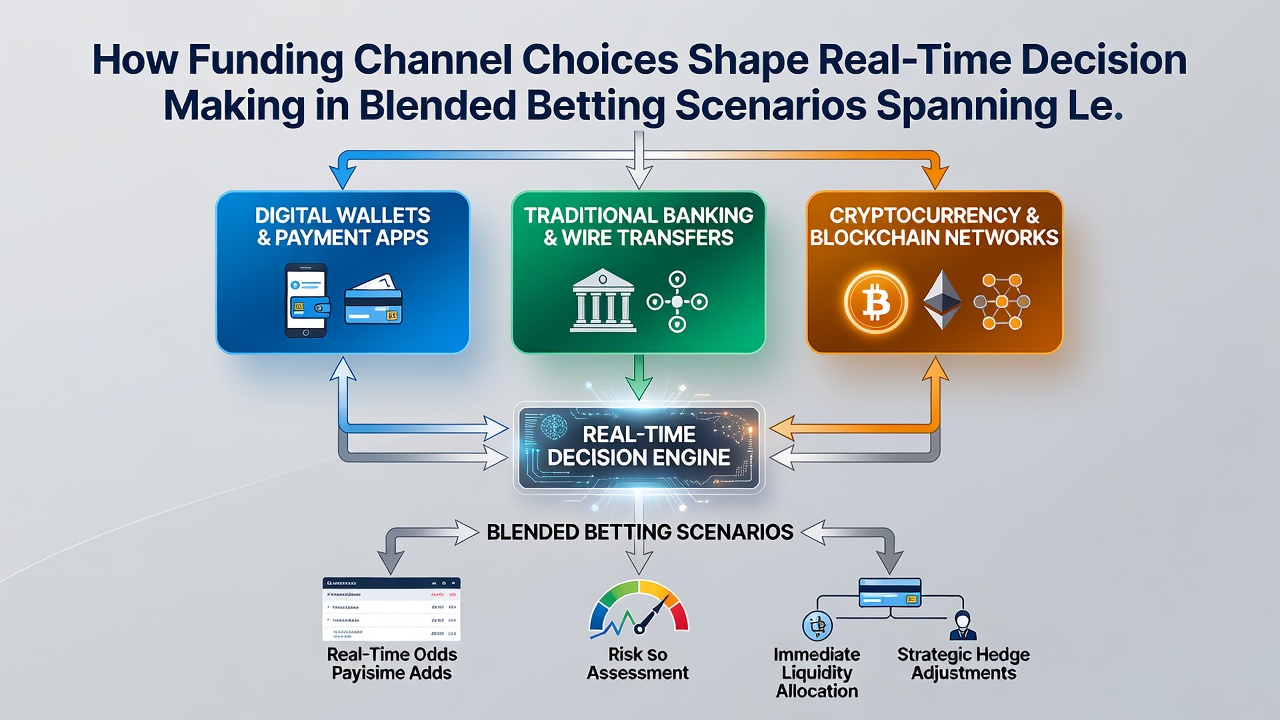
Payment method availability also varies by jurisdiction and operator, which adds another layer when bettors follow events across state or provincial lines. One documented case involved users who maintained both a credit-card-funded account and a cryptocurrency wallet to cover instances where card processors paused approvals during peak volume periods. Industry data indicate that such dual-channel setups reduce instances of missed opportunities when lines shift rapidly between an NFL fourth-quarter total and a closing thoroughbred exacta.
Fee Structures and Capital Allocation
Transaction fees attached to certain channels alter the net return calculations that bettors perform in real time. When a platform charges a percentage on withdrawals but none on deposits, participants adjust their funding patterns to minimize cumulative costs across multiple same-day settlements. Research published through academic gaming studies shows that awareness of these fee schedules correlates with more deliberate sequencing of wagers rather than impulsive additions once initial results post.
Promotional credits tied to specific deposit methods introduce additional decision variables. Operators often restrict bonus funds to particular verticals, which means users must choose the channel that unlocks the credit before committing to a blended session spanning leagues, tracks, and tables. Data collected during similar high-volume periods demonstrate that clear disclosure of these restrictions leads to higher completion rates for intended multi-market strategies.
Conclusion
Payment channel characteristics shape the speed, size, and sequencing of wagers whenever bettors navigate concurrent markets across professional leagues, equine events, and table games. Reports from regulatory bodies and industry associations continue to track how processing times, limits, and fee structures interact with live market movements, providing measurable indicators of engagement patterns in these integrated betting environments.