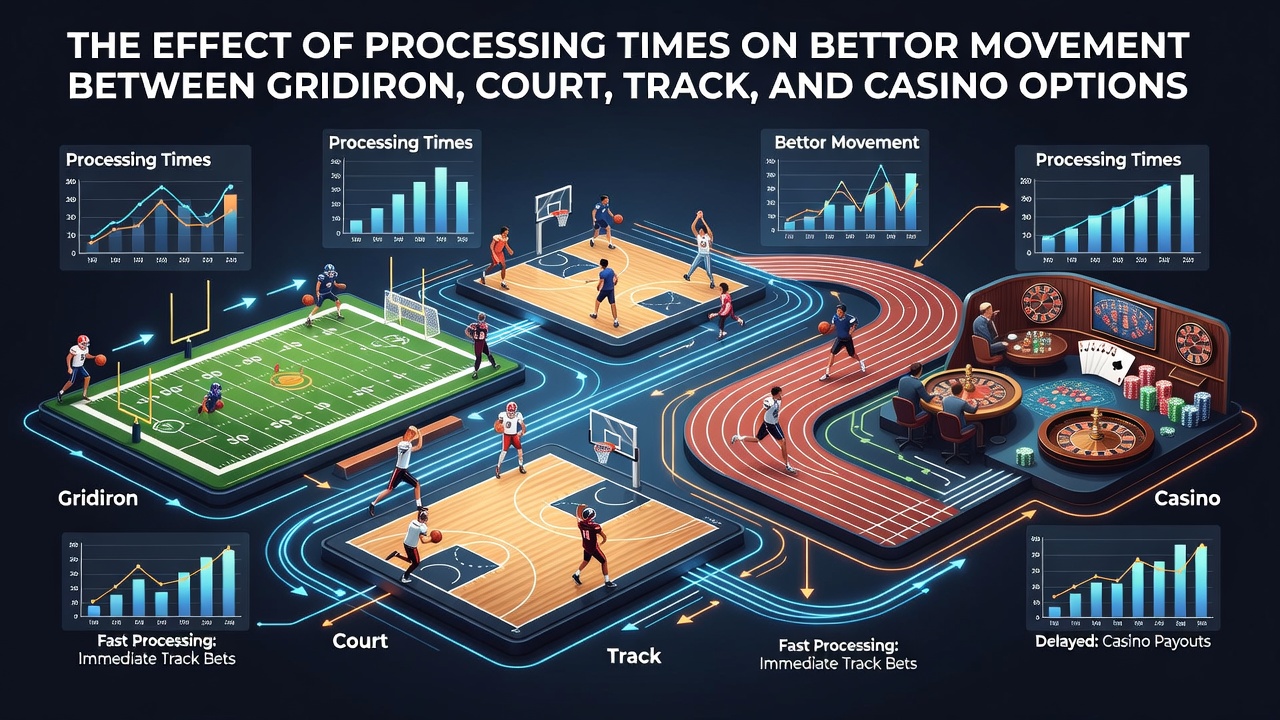
Processing Times Shape Bettor Shifts Across Gridiron, Court, Track, and Casino Markets
Transaction processing speeds influence how bettors move capital between professional football markets, basketball lines, horse racing odds, and casino offerings during the October 2026 season. Observers note that delays in deposits or withdrawals often prompt users to redirect funds toward platforms where instant transfers align with live event schedules, and data from industry reports shows measurable shifts in participation rates when processing exceeds standard thresholds.
Core Mechanics of Processing Times in Multi-Market Betting
Payment rails determine the pace at which funds become available for new wagers, and researchers at academic institutions tracking digital gambling behavior have documented that average deposit times range from seconds on certain e-wallet systems to several minutes on traditional banking methods. Bettors frequently compare these intervals against game clocks on gridiron fields or tip-off moments on courts, which creates pressure to select options that minimize idle capital. When withdrawal processing stretches beyond thirty minutes, participants in multiple studies have demonstrated a tendency to leave balances in casino environments where table games operate continuously rather than waiting for horse racing windows that close at fixed post times.
Patterns Observed During Peak October Schedules
October brings overlapping NFL matchups, early NBA regular-season games, and thoroughbred racing calendars that intensify competition for attention and funds. Figures from regulatory bodies in various North American jurisdictions reveal that bettors execute more cross-market transfers on weekends when multiple events overlap, yet those transfers slow when processing queues lengthen. One analysis of transaction logs indicated that a fifteen-minute delay correlated with a measurable drop in follow-through bets on subsequent horse races, while the same funds moved more readily into casino spin sequences that require no additional verification steps.
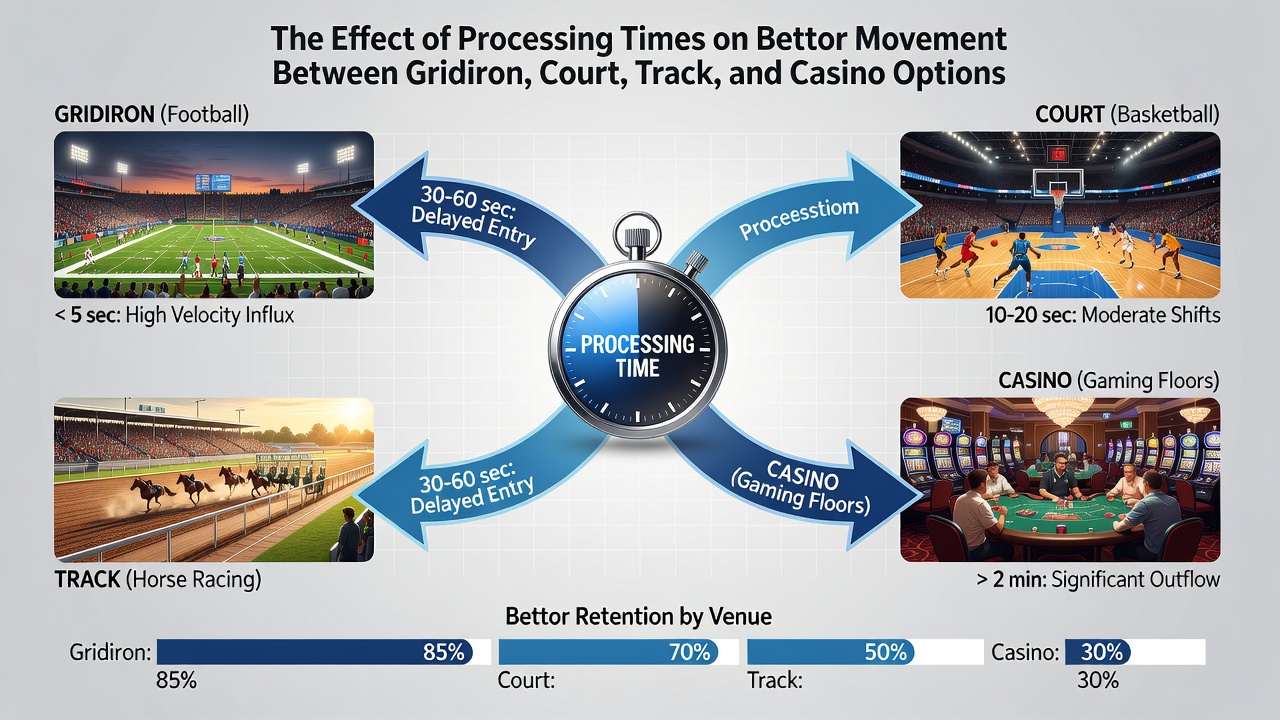
Platform operators respond by prioritizing faster settlement partners, and industry associations report that operators offering sub-minute processing retain higher percentages of active users across all four categories. Those who study these dynamics point out that the effect compounds when live odds fluctuate rapidly, because a delayed deposit can miss advantageous lines on court action or gridiron props entirely.
Comparative Impact Across Betting Categories
Gridiron betting often features extended game durations that tolerate moderate processing delays, whereas court-based wagers on NBA contests move on quicker scoring bursts that reward immediate availability of funds. Track betting operates within strict race intervals, so any lag in funding can eliminate participation in specific events, and casino tables maintain continuous play that absorbs funds already present in an account. Evidence compiled by research groups shows that bettors who encounter consistent delays on one category frequently route subsequent activity toward whichever option processes fastest at that moment, creating observable rotation patterns rather than fixed preferences.
Payment method choice further modulates these movements. Cryptocurrency options sometimes clear faster than card-based methods during high-volume periods, and data collected across multiple jurisdictions indicates that users who adopt such rails complete more switches between track and casino offerings within single sessions. Regulatory updates in regions outside the United Kingdom have encouraged clearer disclosure of expected processing windows, which in turn allows bettors to plan transfers ahead of known event starts.
External Factors Influencing Transaction Efficiency
Network congestion, verification requirements, and peak-hour traffic all contribute to variable speeds, and analysts examining October 2026 activity note that holiday-adjacent weekends produced longer average queues across several major platforms. Industry reports from organizations such as the American Gaming Association highlight that operators investing in real-time settlement infrastructure experience steadier engagement across football, basketball, racing, and casino products. Academic papers examining user logs further demonstrate that transparent communication about expected times reduces abandonment rates when delays occur.
Conclusion
Processing times operate as a practical filter on how capital travels between gridiron, court, track, and casino markets. Data collected through transaction monitoring and regulatory filings consistently shows that shorter intervals support broader participation across overlapping events, while extended waits channel activity toward whichever category remains immediately accessible. As platforms refine their payment integrations through 2026, the documented patterns suggest that speed remains a central variable shaping where bettors place their next wagers.